

Compliance That Fits K-Bolt ERP Users
How K-Bolt ERP Integrates with E-Invoicing Workflows
- Invoice Record Collection: Gather K-Bolt ERP customer, supplier, product, VAT, amount, payment, and invoice data for electronic processing.
- Data Quality Assessment: Review invoice fields, taxable values, VAT details, identifiers, totals, and commercial information before preparation.
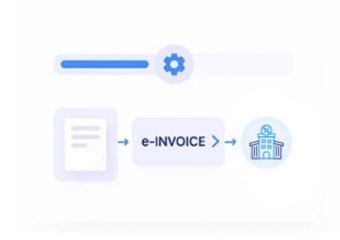
- Electronic Record Creation: Arrange K-Bolt ERP information into structured electronic invoice records using configured processing requirements.
- Business Reference Association: Connect invoices with orders, deliveries, customer records, credit notes, debit notes, and supporting transactions.
- Exchange and Reconciliation: Process records through configured channels, capture responses, and compare outcomes with K-Bolt ERP records for reconciliation.
What Does Advintek’s K-Bolt ERP Connector Handle in South Africa
Advintek adds an external invoice processing layer around K-Bolt ERP to organize invoice data, VAT details, document structures, transaction references, and processing outcomes without replacing existing ERP workflows.
- Collects relevant invoice information from K-Bolt ERP
- Organizes VAT and commercial transaction attributes
- Associates electronic records with source documents
- Captures processing results for finance review
Why K-Bolt ERP Users Rely on Advintek for E-Invoicing in South Africa
- Invoice Data Consistency: Maintain organized customer, supplier, product, VAT, amount, and document information across electronic invoice preparation.
- Tax Information Coordination: Review VAT values, taxable amounts, tax categories, and invoice attributes before electronic document processing.
- Order Document Association: Connect invoices with orders, deliveries, returns, adjustments, and customer transactions for better source-record traceability.
- Electronic Format Handling: Convert selected K-Bolt ERP information into configured electronic invoice structures while retaining originating transaction references.
- Exception-Based Review: Highlight incomplete information, conflicting values, duplicate references, and processing issues requiring finance-team attention.
- Accounting Reconciliation: Relate electronic invoice outcomes back to K-Bolt ERP records for document comparison, accounting review, and reconciliation.
E-Invoicing Features for K-Bolt ERP in South Africa
Invoice Record Structuring
Organize K-Bolt ERP customer, product, VAT, amount, and transaction data into electronic invoice records.
Transaction Relationship Mapping
Link electronic invoices with orders, deliveries, customer accounts, adjustments, and supporting documents.
Processing Status Management
Track invoice responses, processing messages, corrections, document statuses, and exceptions for financial review.
Designed for Businesses Using K-Bolt ERP in South Africa
Organizations using K-Bolt ERP for accounting, sales, purchasing, distribution, inventory, and billing can connect existing invoice records with structured electronic invoicing processes while preserving established ERP workflows.
- Continue Creating Invoices Through K-Bolt ERP
- Associate Documents With Business Transactions
- Review VAT Details Within Invoice Records
- Retain Processing Results For Financial Review
Keep K-Bolt ERP E-Invoicing Connected South Africa
Organize K-Bolt ERP invoice data for VAT, references, and electronic processing.
Connected to K-Bolt ERP. Processed through Advintek in South Africa.
Ready e-Invoice System
Frequently Asked Questions K-Bolt ERP E-Invoicing South Africa
What Information Should K-Bolt ERP Users Prepare for E-Invoicing?
K-Bolt ERP users can review customer and supplier details, invoice identifiers, taxable values, VAT amounts, transaction totals, payment information, and supporting references before electronic processing. SARS specifies required information for valid tax invoices, including supplier and recipient details, invoice number and date, descriptions, quantities, supply value, and tax charged.
How Can K-Bolt ERP Support VAT Data Preparation?
K-Bolt ERP billing information can be assessed for VAT values, taxable amounts, tax categories, invoice references, and transaction details before electronic documents are prepared. This approach can help businesses organize the information associated with their existing tax invoices while retaining K-Bolt ERP as the originating business system.
Can K-Bolt ERP Invoices Be Linked with Credit and Debit Notes?
Electronic invoice workflows can associate K-Bolt ERP invoices with related credit notes, debit notes, returns, adjustments, orders, and delivery records. Maintaining these relationships gives finance teams supporting transaction context when reviewing corrections, document changes, and electronic processing outcomes.
What Does SARS VAT Modernisation Mean for K-Bolt ERP Users?
SARS’s proposed Digital VAT Model brings together e-Invoicing, an Interoperability Framework, and e-Reporting. SARS says implementation is planned through preparation, development, testing, pilot activity, and phased rollout, subject to consultation, approvals, and readiness. Businesses can therefore assess their invoice data and system processes as part of preparation.
Is E-Invoicing Already Mandatory for K-Bolt ERP Users in South Africa?
SARS’s current 2026 material describes e-Invoicing as part of a proposed VAT modernisation framework rather than an already implemented nationwide requirement. The consultation process is ongoing, with stakeholder comments requested by 16 October 2026, while implementation is proposed to occur in phases.