

Compliance That Fits E-Freight ERP Users
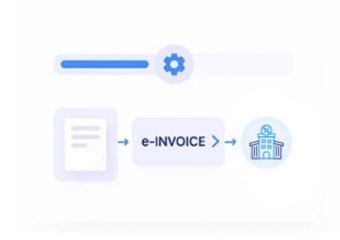
How eFreight ERP Billing Reaches Advintek
- Billing Data Capture: Captures approved shipment billing information and prepares selected fields for configured electronic invoice processing workflows.
- Customer Reference Matching: Matches customer, shipment, and billing references against required invoice fields before document creation begins securely.
- Charge Detail Grouping: Groups freight charges and transaction details into structured billing information for electronic invoice preparation activities.
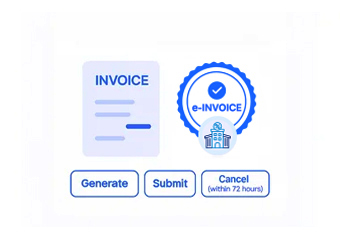
- Invoice Record Formation: Forms electronic invoice records from validated eFreight information for connected processing and document exchange workflows.
- Response Result Capture: Records processing responses so finance teams can investigate exceptions and address affected freight invoices promptly.
- Job Record Linking: Links completed invoice records with source jobs for reconciliation, reporting, and shipment-level financial review activities.
What Does eFreight ERP Connector Handle
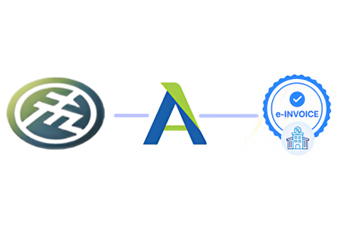
Advintek connects eFreight operational information with electronic invoicing workflows, allowing billing records to pass through configured mapping, validation, document preparation, response management, and job-level reconciliation.
- Connect eFreight billing with Advintek
- Organise shipment data across invoice records
- Structure freight charges before processing
- Trace documents back to source jobs
Why eFreight ERP Teams Use Advintek
- eFreight Billing Continuity: Connects freight billing information with electronic invoicing while preserving established eFreight operational and accounting processes.
- Transaction Data Quality: Helps identify incomplete shipment, customer, charge, or tax information before invoices enter processing workflows.
- Job Level Traceability: Associates invoice documents with source jobs for clearer reconciliation, investigation, and freight accounting activities.
- Finance Process Visibility: Provides finance teams visibility across invoice status, responses, exceptions, and correction requirements daily.
- ERP Workflow Extension: Extends eFreight workflows with electronic invoice processing without replacing established shipment management operations.
- South Africa Readiness: Supports South Africa freight businesses preparing structured invoice processes around evolving digital VAT requirements.
Everything You Need for South Africa E-Invoicing in One Place
Shipment Billing Workspace
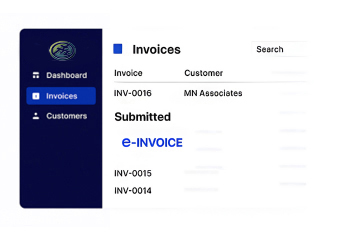
Review shipment billing, customer details, tax information, and processing outcomes through a dedicated freight-focused workspace.
Job Reconciliation View
Compare invoice documents with source jobs during reconciliation, investigation, and freight accounting review activities.
Response Monitoring Console
Monitor processing responses, invoice exceptions, and correction activity across connected freight billing workflows daily.
eFreight ERP Support Across South Africa
Advintek connects eFreight ERP freight-management operations with structured electronic invoicing, helping logistics businesses coordinate shipment jobs, customer billing, freight charges, invoice records, and financial processes across South Africa with SARS considerations.
- Support freight operations across South Africa
- Connect shipment billing with invoice processing
- Coordinate carrier information across billing records
- Review invoice issues through freight workflows
Simplify Your Logistics Invoice Exchange
Align eFreight ERP with South Africa e-invoicing through Advintek directly.
Coordinate freight billing across connected workflows.
Ready e-Invoice System
Frequently Asked Questions E-Freight ERP E-Invoicing South Africa
How does eFreight ERP support electronic invoicing?
Advintek connects eFreight ERP shipment and billing information with an electronic invoicing layer. Relevant customer, job, carrier, charge, tax, and invoice data can be structured for processing, while responses are captured for review. This allows freight teams to continue using eFreight for operational management while connected invoice activities run through Advintek.
Which eFreight ERP records can enter invoice workflows?
Configured integration can use shipment jobs, customer information, carrier references, freight charges, billing details, tax information, and related transaction records from eFreight ERP. Advintek maps selected information into invoice structures according to the business workflow. Source references can remain associated with processed documents, supporting reconciliation and finance review activities.
Can eFreight ERP support South Africa invoice requirements?
eFreight ERP can serve as the operational source for shipment and billing information while Advintek provides a connected electronic invoice-processing layer. SARS is developing a proposed Digital VAT Model involving e-Invoicing, an Interoperability Framework, and e-Reporting. Freight businesses can therefore prepare their ERP data and integration processes for evolving digital VAT requirements.
What freight workflows can Advintek connect with eFreight ERP?
Advintek can connect relevant freight billing workflows involving shipment jobs, customer records, carrier information, freight charges, tax details, and invoice records. The integration can structure selected information before electronic document processing and capture responses afterward. This creates a traceable connection between operational freight activity and finance processes without replacing eFreight ERP.
Why use e-invoice software with eFreight ERP?
e-Invoice software adds structured document preparation, field checking, response handling, exception visibility, and invoice-to-job traceability around eFreight ERP. Advintek helps freight businesses coordinate shipment billing with finance processes through a connected workflow. This reduces disconnected invoice handling and creates a more organised route from freight transactions to electronic invoice records.